

The powerful effect of ‘low attachment’
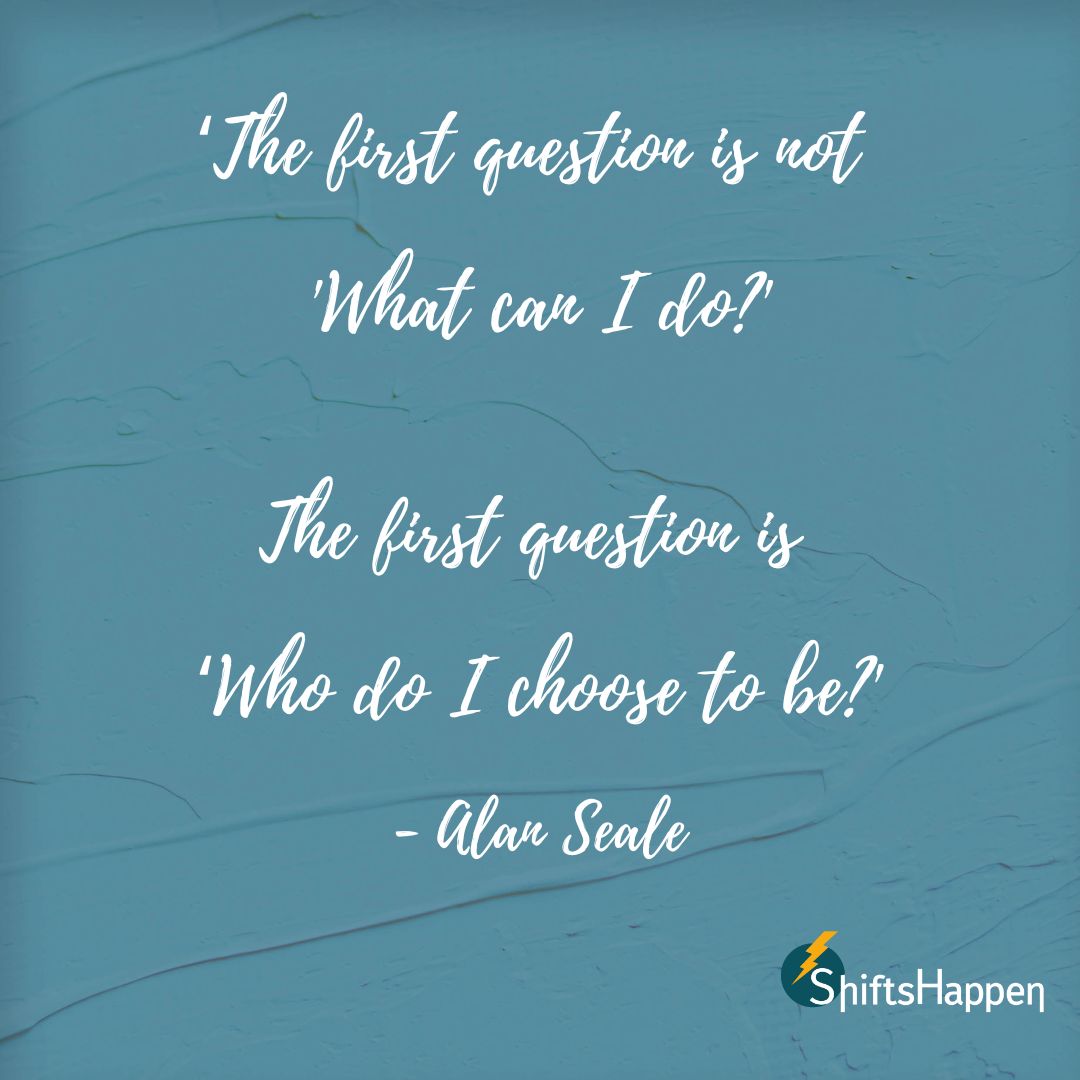
Recently, I facilitated a workshop on Intuitive Coaching based on Transformational Presence. At some point in the afternoon, an engaging conversation unfolded about what was, at its core, the difference between feeling you have to perform as a coach and giving yourself permission to learn — in other words, allowing yourself to be curious and to discover what wants to happen during a coaching conversation.
It turned out that the feeling of needing to perform, of needing the coaching session to "succeed," was all too familiar to every participant. Each person recognized some form of a standard they felt compelled to live up to. But what is that standard, who defines it, and what effect does this attitude have?
The conversation was sparked by my explanation that there are 5 conditions for coaching intuitively:
· Trust
· Acceptance of what is
· Curiosity
· High intention, low attachment
· A perspective rooted in Choice/Possibility
In particular, the concept of "low attachment" exposed the sore spot. When you feel you need to deliver a performance — that something must succeed — you place pressure on yourself as a coach. Your own idea of what should happen becomes the driving force, and you become less open to what actually presents itself. When your attachment to a specific outcome is high, it creates a narrowing effect, leading to tunnel vision.
Any form of attachment to a particular result hinders your ability to sense and perceive broadly and deeply. In other words, you make yourself less effective as a coach in creating the conditions for your coachee to intuitively receive the information that is important or relevant to them.
This doesn't apply only to coaches — the attitude of "high intention, low attachment" can also be a powerful force in everyday life.
Take a moment to reflect: do you ever find yourself telling life how it ought to be? Do you hold certain standards and expectations that you feel simply must come to pass? What does that actually get you? The driving force behind this attitude is often a desire for control. You want to see things coming so you don't get caught off guard. But the price you pay for that is quite high.
Because what do you notice when you approach life with an open mind, in full trust that you can navigate whatever comes your way? In my experience, life becomes more intense, more vibrant. More energy is available, and things become more enjoyable. You feel more truly alive. And that is precisely what Transformational Presence invites you toward.
Play and experiment with this over the coming week. Give yourself permission to approach a situation with a completely open mind — without any expectation or desire for a particular outcome. And notice what effect it has on yourself and on those around you.
I wish you much enjoyment!